
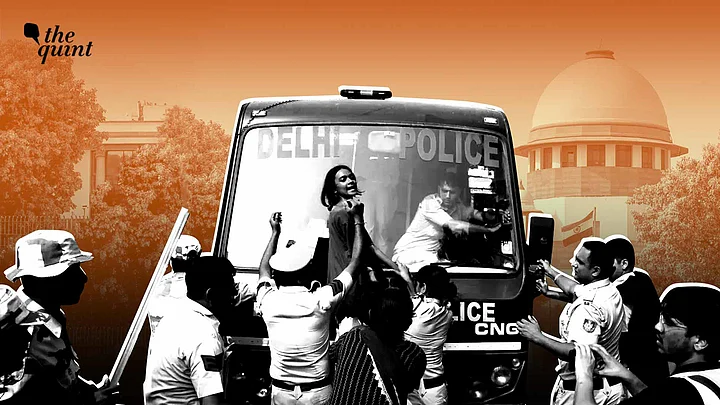
On 10 October, India's national capital was transformed into what senior advocates described as a "police state," with over 7,000 detentions, brutal assaults on lawyers and journalists, and the systematic suppression of peaceful assembly.
The Supreme Court convened an extraordinary Sunday hearing and issued interim directions—but the order merely restated settled constitutional law while failing to address the institutional rot that allowed the crackdown to occur.
What emerged was not a robust judicial intervention but a cautious reminder of rights that were already guaranteed.
On Monday morning, when the situation was communicated to the Chief Justice of India, CJI Surya Kant said that every lawyer has the right to participate in peaceful protests. As quoted by Live Law, he orally remarked:
“I don't want to say anything as of now... I am only requesting, we will not permit the Supreme Court to become a... but every lawyer, every member of the Bar has the right to be a part of the peaceful protests, wherever the identified locations are there.”